

When you begin planning a home remodeling project, one of the first decisions you’ll face is how the project will be managed. Many homeowners researching renovations in the Harrisburg area discover two common approaches: design-build and design-bid-build.
While both can lead to a successful renovation, the experience for homeowners can be very different. Understanding how these processes work can help you choose the approach that best supports your goals, timeline, and budget.
At Excel Remodeling, we’ve been guiding Central Pennsylvania homeowners through remodeling projects since 1970. Over the years, we’ve found that the design-build approach often provides a more streamlined and enjoyable experience for homeowners who want expert guidance from start to finish.
Let’s take a closer look at how these two remodeling processes compare.
In a design-build remodeling process, one company manages both the design and construction of your project under a single contract. This means your designer, estimator, and construction team work together from the very beginning.
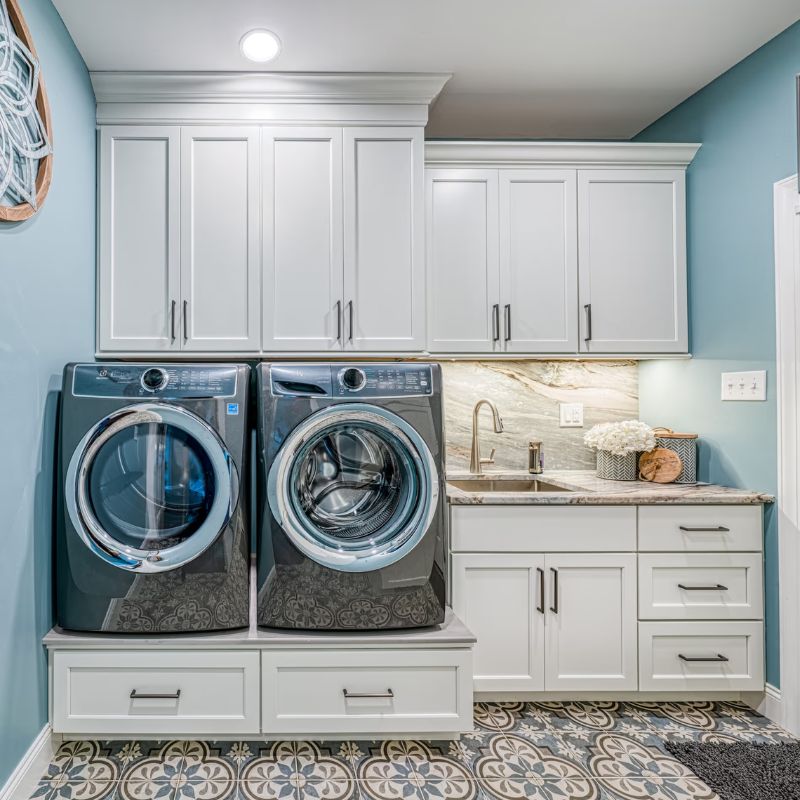
Instead of hiring separate professionals and coordinating between them, homeowners work with one team that guides the entire project from start to finish. The process typically begins with an initial consultation to discuss goals and ideas. From there, the team develops the design, helps homeowners select materials, prepares for construction, and then completes the build before finishing with a final walkthrough.
Because the design and construction teams collaborate throughout the process, decisions about layout, materials, and features can be made with the project budget and construction details in mind. This coordinated approach helps homeowners make confident decisions early and often reduces unexpected changes later in the project.
The design-bid-build process separates the design and construction phases into two distinct parts.
Typically, a homeowner first hires an architect or designer to create plans for the renovation. Once the design is completed, those plans are shared with multiple contractors who submit bids to build the project. The homeowner then selects the contractor they prefer, and construction begins.
While this process can work well for certain types of construction projects, it means the designer and contractor are operating as separate entities rather than a single team. Because the contractor is not usually involved during the design phase, the plans may not always reflect construction costs or logistical considerations. As a result, homeowners sometimes discover that the project exceeds their original budget once bids are received, which can require redesigning or adjusting the plans before work can begin.
Although the technical differences between these two approaches are important, homeowners usually experience the impact most clearly in areas such as budget planning, project timeline, and communication throughout the project.
One of the biggest advantages of the design-build approach is the ability to manage your budget from the very beginning. Because designers and construction professionals work together, homeowners receive real-time guidance on how materials, layouts, and design decisions impact overall cost, helping prevent surprises later. In contrast, with a design-bid-build approach, pricing often comes after the design is completed, which can lead to unexpected costs and required revisions before construction begins.
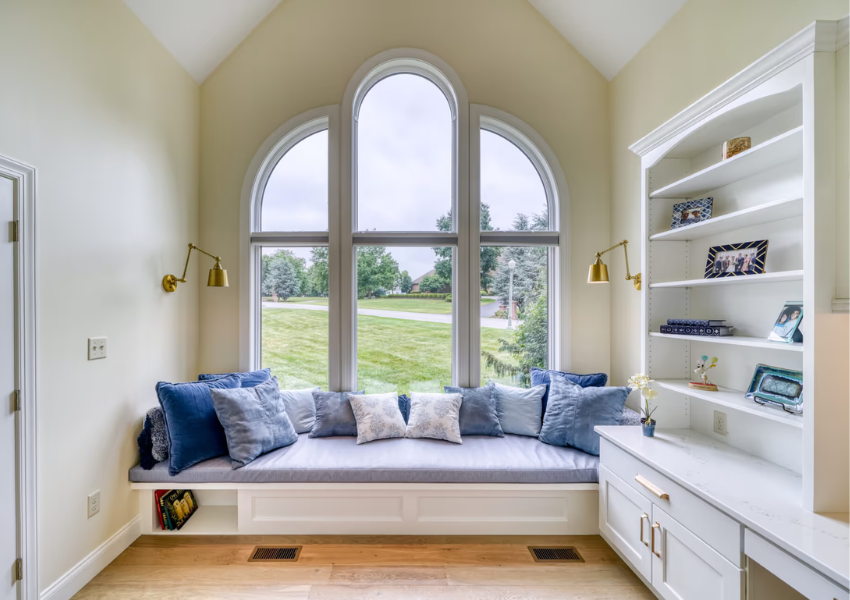
Additionally, when design and construction are handled separately, design fees may be higher since that firm relies solely on design for revenue. With a design-build company, both services are integrated, often allowing for a more balanced cost structure. Some firms, including Excel Remodeling, may also apply a portion of the design investment toward the construction agreement, meaning homeowners typically only pay separately for design if they choose not to move forward.
This coordinated approach helps reduce costly changes, avoid delays, and often results in savings of both time and money while creating a smoother, more predictable remodeling experience.
Design-build projects often move forward more efficiently because the same team manages both the design and construction phases. Communication flows easily between the designers and builders, allowing decisions to be made more quickly and helping the project stay on schedule.
With a design-bid-build approach, additional steps are often required between the design phase and construction. After the plans are completed, time must be spent gathering contractor bids, reviewing proposals, and sometimes revising the plans to align with pricing before construction can begin. These extra steps can extend the overall timeline of the project.
Another key difference homeowners notice is how communication is handled throughout the remodeling process. In a design-build project, everyone involved is part of the same team, which makes it easier to address questions and coordinate decisions. Designers and builders work closely together, helping ensure that the original design vision is carried through during construction.
In contrast, design-bid-build projects may require homeowners to communicate separately with both the designer and the contractor. When questions or adjustments arise, the homeowner often becomes the link between the two parties, which can sometimes lead to confusion or delays.
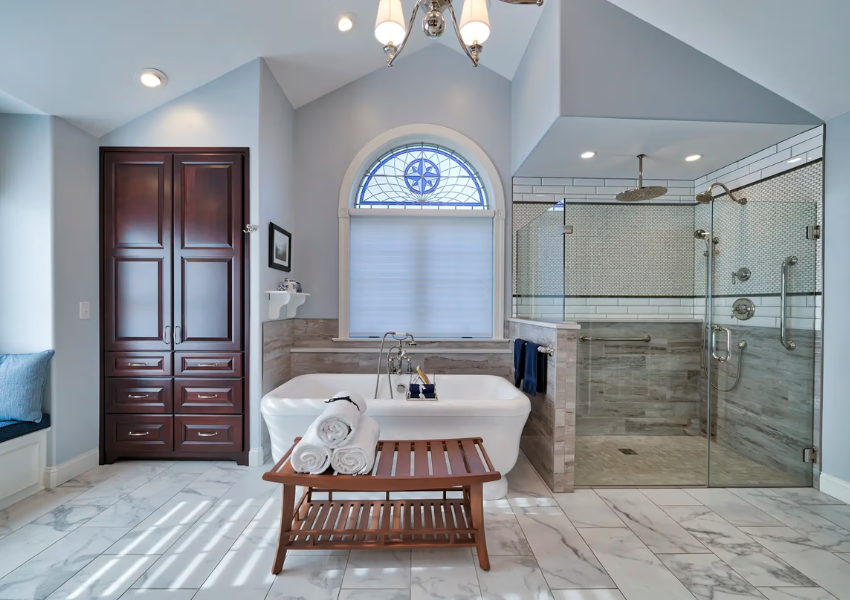
Remodeling a home is a significant investment, and most homeowners want to minimize surprises along the way.
Because the design-build team collaborates from the very beginning of the project, potential challenges can often be identified early in the planning phase. The integrated approach allows designers and builders to work together to solve problems before construction begins, helping reduce the likelihood of unexpected complications during the build.
This coordinated structure also creates clear accountability. With one team responsible for both design and construction, homeowners benefit from a process that is more organized and transparent, with fewer opportunities for miscommunication or gaps in responsibility.
For homeowners who want a guided and well-organized remodeling experience, the design-build model offers a level of convenience that many people appreciate. Working with one team from start to finish helps simplify the process, keeps planning and construction aligned, and often leads to more predictable budgets and timelines.
At Excel Remodeling, our design-build process allows our award-winning designers and master craftsmen to collaborate from the beginning of every project. Homeowners also have the opportunity to visit our 6,000-square-foot showroom in Lemoyne, where they can explore cabinetry, fixtures, finishes, and other materials while working directly with our design team to make selections that fit their vision.
This collaborative environment allows us to design spaces that are not only beautiful but also functional, safe, and tailored to the way each family lives.
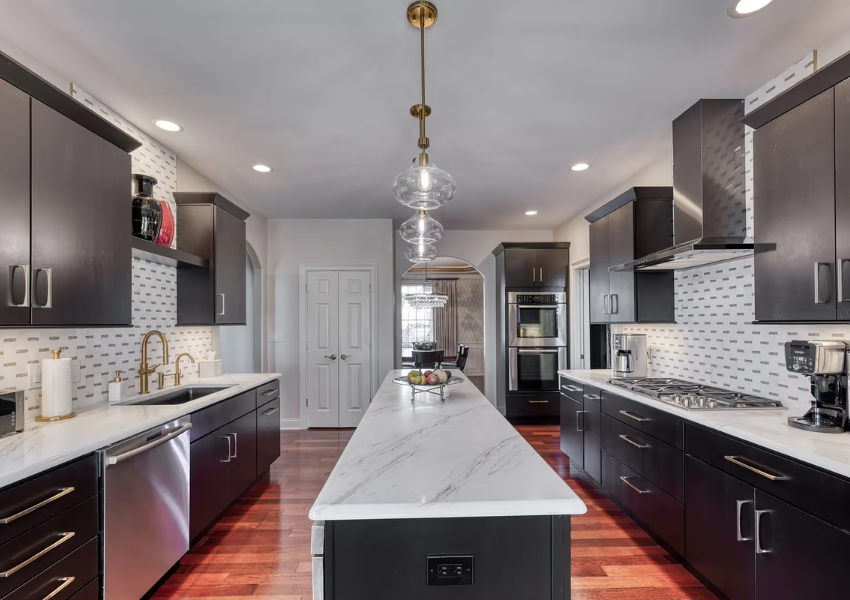
Your home is more than just a structure. It is where daily routines unfold, where families gather, and where many of life’s most meaningful moments happen.
Choosing the right remodeling process can make the experience more enjoyable and ensure the finished space truly supports the way you live.
At Excel Remodeling, our mission is simple: to improve lives by creating spaces that reflect your personality, support your lifestyle, and bring joy to everyday living.
For homeowners in Central Pennsylvania who are beginning to explore a kitchen remodel, bathroom renovation, home addition, or whole-home project, understanding the design-build approach is a helpful first step toward a successful remodeling experience. We’d love to chat about how we can help your dreams become a reality!
The main difference between design-build and design-bid-build remodeling is how the project team is organized. In a design-build approach, one company manages both the design and construction under a single contract, allowing the designer and builder to work together throughout the project. In a design-bid-build process, the design and construction are handled by separate companies, which means homeowners must coordinate between an architect or designer and a contractor. This separation can sometimes create communication gaps or require design revisions after construction bids are received.
Many homeowners prefer the design-build model because it simplifies the remodeling process. Working with one team allows the designer and construction professionals to collaborate from the beginning, which helps maintain alignment between design ideas, budget expectations, and construction feasibility. This integrated process often results in clearer communication, fewer surprises, and a more streamlined project timeline.
Design-build remodeling can often help homeowners better manage their investment because construction professionals are involved during the design phase. This allows the team to provide real-time feedback on how design choices, materials, and layout decisions affect overall project cost. By discussing budget considerations early in the process, homeowners can make informed decisions before construction begins.
Design-build is frequently used for kitchen and bathroom remodeling because these projects require close coordination between design, materials, and construction details. Kitchens and bathrooms involve cabinetry, plumbing, lighting, finishes, and layout planning, which benefit from early collaboration between designers and builders. An integrated design-build team can help ensure these elements work together efficiently.
When choosing a remodeling contractor in the Harrisburg area, homeowners should look for a company with a strong local reputation, a clear remodeling process, and experience managing projects from start to finish. Many homeowners also value companies that offer a design-build approach, as well as access to a showroom where they can see materials and make selections with guidance from professional designers.