Inviting a remodeling company into your home is a big decision. This isn’t just about construction. It’s about trusting a team with your space, your routine, and an investment you’ve worked hard for. The right remodeler will make the process feel organized, collaborative, and even enjoyable. The wrong one can turn what should be an exciting improvement into a stressful experience.
If you’re planning a remodel, this guide will help you understand what truly matters when choosing a remodeling partner and which warning signs should never be ignored.
A remodeling project consists of many moving parts, including design, materials, skilled trades, permits, and project coordination. Even a well-planned project can uncover surprises once work begins. That’s why the right remodeler isn’t just someone who gives you a number. They’re a partner who plans carefully, communicates clearly, and helps you make informed decisions from the start.
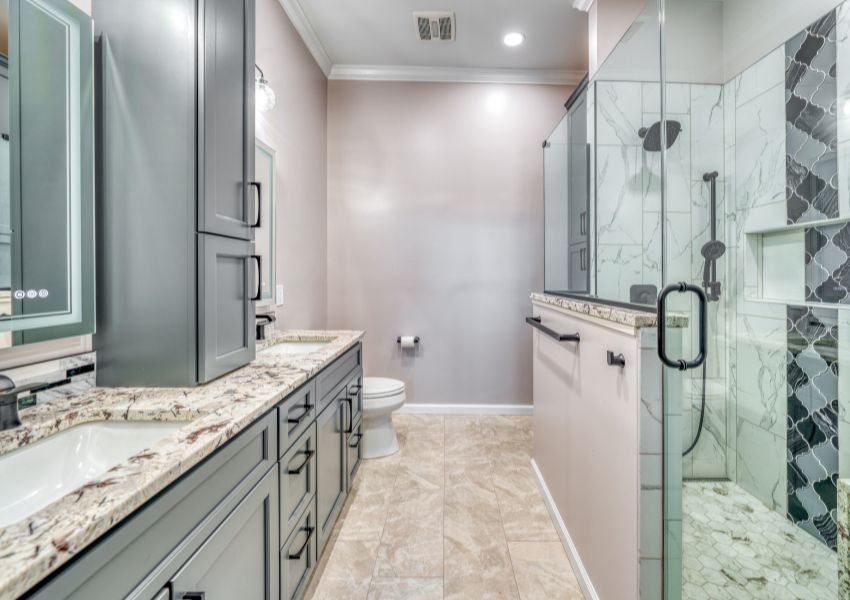
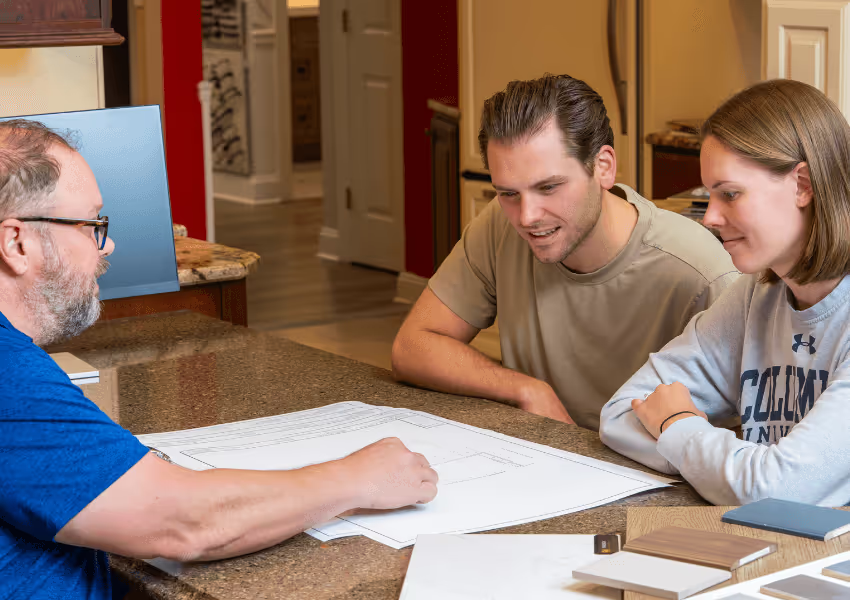
Remodeling significantly impacts your day-to-day life. Kitchens and bathrooms may be temporarily unavailable, rooms may be closed, and schedules may be adjusted. A professional team understands this and works to minimize disruption while keeping you informed along the way. Good communication makes all the difference.
Quality remodeling is about more than how a space looks when it’s finished. Proper planning, code-compliant work, and correct installation methods help protect your home from issues that can surface years later. Choosing the right remodeler helps safeguard your comfort, safety, and home value.
You don’t need to know everything about construction, but you should know what can (and should) be verified.
In Pennsylvania, most professional remodeling companies are required to register with the PA Office of Attorney General. This registration allows homeowners to look up a company and confirm that it is operating legally in the state. While registration alone doesn’t guarantee quality, it does give you a basic level of accountability and transparency.
Just as important is the contract itself. Pennsylvania law requires that larger home improvement projects be put in writing and clearly spell out what work will be done, how much it will cost, and what protections you have as a homeowner.
In simple terms:
A professional remodeler should have no problem providing a clear, written contract that explains the scope of work and expectations on both sides. If someone avoids putting details in writing or asks you to rely on verbal agreements, that’s a sign to slow down and ask questions—or walk away.
When a remodeling company works in your home, insurance helps protect you, not just the contractor. A professional remodeler should be able to show proof of insurance right away, as this is standard practice for established companies.
If a contractor avoids the topic, can’t provide documentation, or says they’ll “get it to you later,” that’s a reason to pause. Insurance helps protect you if something goes wrong during the project, whether that’s property damage or an on-site issue.
In simple terms:
If a remodeler can’t easily show proof of insurance, you may be taking on risk that shouldn’t be yours.
Certifications aren’t about titles or letters after a name. They’re about education, accountability, and a commitment to doing things the right way.
Excel Remodeling’s team holds professional certifications that show advanced training in design, project management, and specialized remodeling needs, including:
In simple terms:
These certifications tell you the people working on your home are trained professionals—not just skilled tradespeople, but experts who understand planning, safety, and how your home needs to function every day.
Not all remodelers work the same way. Understanding how a company is structured helps you anticipate communication, accountability, and how decisions are made.
In a design-build model, design and construction are coordinated under one team. This often allows for smoother communication, better budget alignment, and fewer surprises because design decisions are informed by real-world construction experience.
Excel Remodeling operates as a full-service design-build firm, supported by award-winning designers, experienced craftsmen, and a 6,000-square-foot showroom where clients can see materials and make selections in one place.
With design-bid-build, design and construction are handled by separate entities. While this approach can work in certain situations, it may create gaps between design intent and construction realities, especially if cost or constructability issues aren’t addressed early.
Some providers focus on coordinating trades without a formal design or project management structure. Others specialize in small repairs. These models may be appropriate for limited projects, but larger remodels typically benefit from more integrated planning and oversight.
According to the Federal Trade Commission, homeowners should be cautious of pressure tactics and vague agreements when hiring for home improvement projects.
Common red flags include:
Trust your instincts - professionalism usually shows early.

While years in business alone don’t guarantee quality, longevity often reflects something important in remodeling: stability, systems, and accountability.
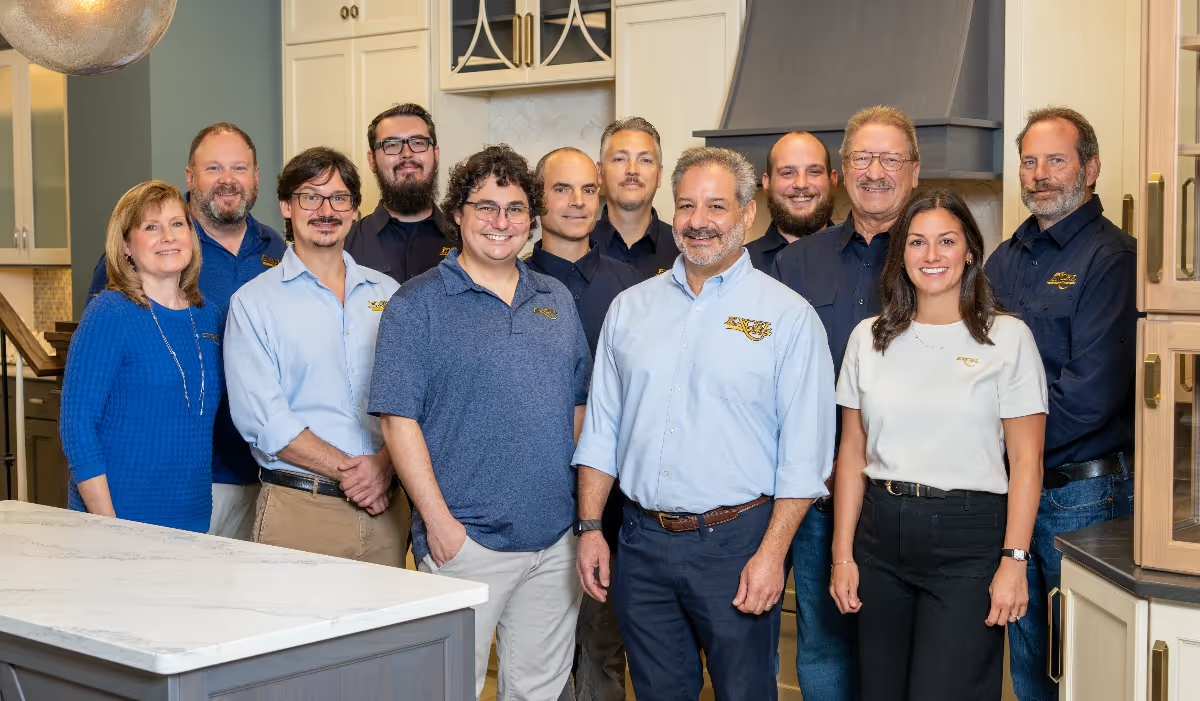
Excel Remodeling was founded in 1970 and is operated by the second and third generations of the Mirando family. For many homeowners, that history represents continuity, community connection, and a company that plans to be here long after the project is complete.
Excel also offers a limited five-year warranty, which only holds value if the company stands behind it.
Asking the right questions early can save you time, stress, and confusion later.
Ask who will be responsible for the design, how selections are finalized, and how plans are reviewed before anything is ordered or built.
Clear communication is essential. You should know who your main point of contact is and how updates will be handled throughout the project.
Look for transparency around:
A professional remodeler should be able to clearly explain each step. Excel outlines a defined process, from consultation and design through construction and post-project support.
Before moving forward, you should feel confident that:
At Excel Remodeling, we believe your home should be a reflection of how you live today, and how you want to live tomorrow. With thoughtful design, skilled craftsmanship, and a structured design-build process, we make remodeling clearer, more manageable, and more enjoyable. Our experienced team and 6,000 sq ft showroom help you make confident decisions, not rushed ones.
Whether you’re thinking about a kitchen remodel, bathroom update, home addition, or aging-in-place project, the next best step is a conversation where your goals matter, and your questions are welcomed.
Let’s talk about your project! Give us a call at (717) 774-4990 or click here to contact us directly.
We’re here to help you take the first step with clarity and confidence.