
There is a house you have lived in for decades. You know every creak in the floor, every corner of the kitchen, every view from every window. It is where your family gathered, where memories were made, and where you feel most at home. The last thing you want is to leave it.
For many homeowners, that is exactly the conversation aging-in-place remodeling is designed to address.
Aging-in-place remodeling is the process of modifying your home so that it supports your safety, comfort, and independence as you get older. It is not about accepting limitations. It is about being smart and proactive so that your home works for you for years to come, no matter what changes life brings.
According to AARP, nearly 90% of adults over the age of 65 want to stay in their own homes as they age. And yet, most homes in America were never designed with that goal in mind. Standard bathrooms, narrow doorways, and multi-level layouts are perfectly functional when you are 45. They can become genuine hazards by the time you are 75.
The alternative, moving to an assisted living community or skilled nursing facility, comes at a significant financial and emotional cost. The average assisted living facility in the United States now runs well over $4,000 per month. Beyond the expense, there is the loss of independence, familiar surroundings, and the simple comfort of being home.
Aging-in-place remodeling addresses this head-on. By making thoughtful modifications now, while you have the time and flexibility to plan carefully, you can dramatically reduce the risk of a fall or injury, extend the years you spend in your home, and avoid the scramble of reactive renovations made under pressure.
The scope of aging-in-place work varies from home to home and person to person. A good contractor will assess your specific needs, your home's current layout, and your goals before making any recommendations. That said, there are several areas that come up most often.
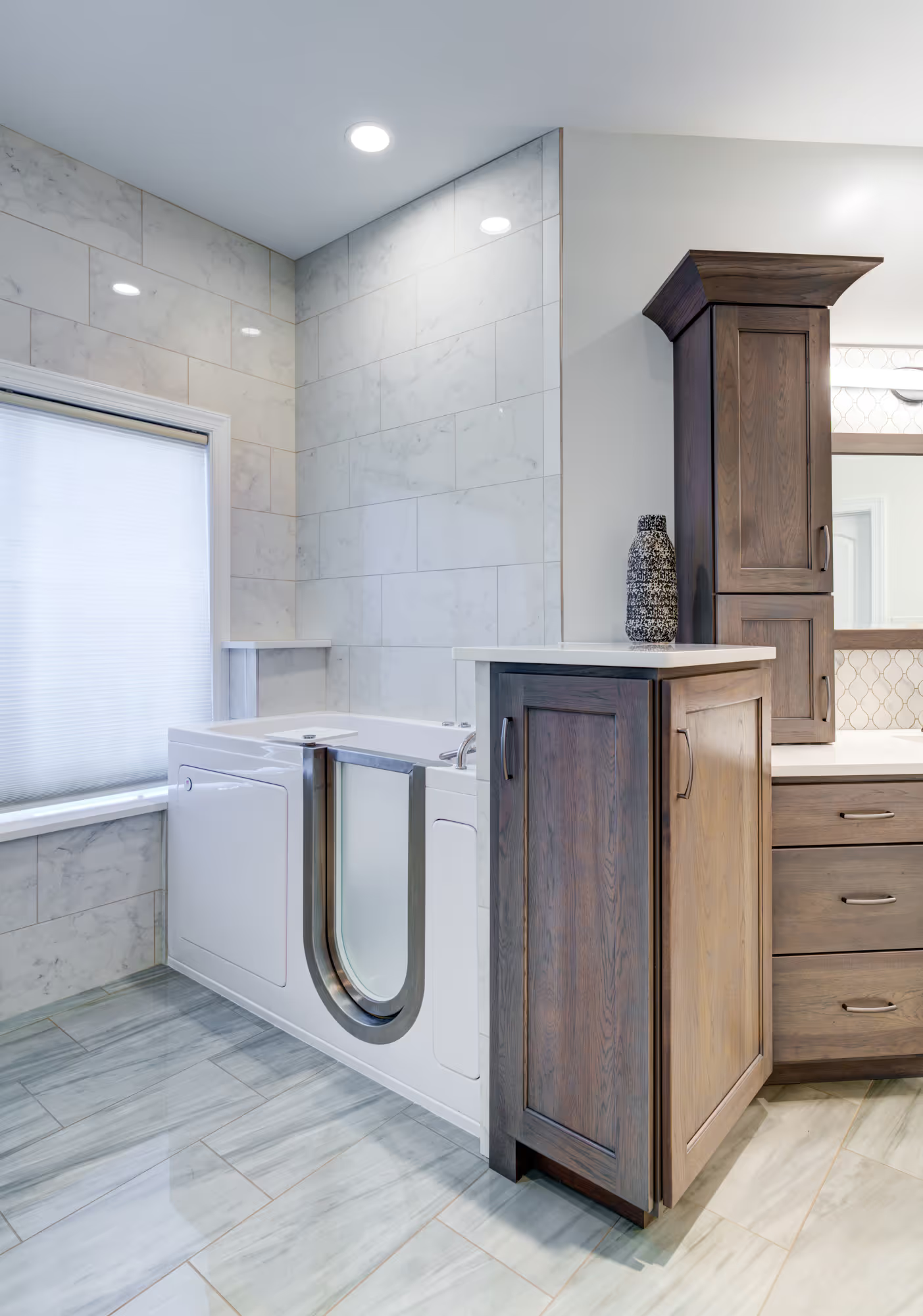
The bathroom is the most common starting point, and for good reason. It is where falls are most likely to occur. Key modifications include no-barrier or curbless shower entry, which eliminates the step over a traditional tub or shower lip; grab bars and fold-down seats that provide stability without sacrificing style; comfort height toilets that reduce strain on joints; and ADA-compliant fixtures designed for ease of use.
A well-designed kitchen for aging-in-place keeps everything within reach and reduces the need to bend, stretch, or strain. This often means pull-out shelving and drawers instead of deep cabinets, lower countertop sections for seated work, lever-style hardware that is easier to grip, and cabinets with extra toe space to allow for closer access.
Beyond the kitchen and bathroom, there are modifications that make the entire home more livable. Wider doorways and hallways accommodate walkers or wheelchairs if they are ever needed. Improved lighting reduces the risk of missteps in dim areas. Zero-step entries or ramps eliminate tripping hazards at the front door. And in some cases, a first-floor bedroom or full bathroom addition means you never have to navigate the stairs at all.
Many homeowners hesitate when they first hear the words "accessibility modifications." They picture clinical grab bars, bulky equipment, and a home that no longer feels like their own.
This is one of the biggest myths in remodeling.
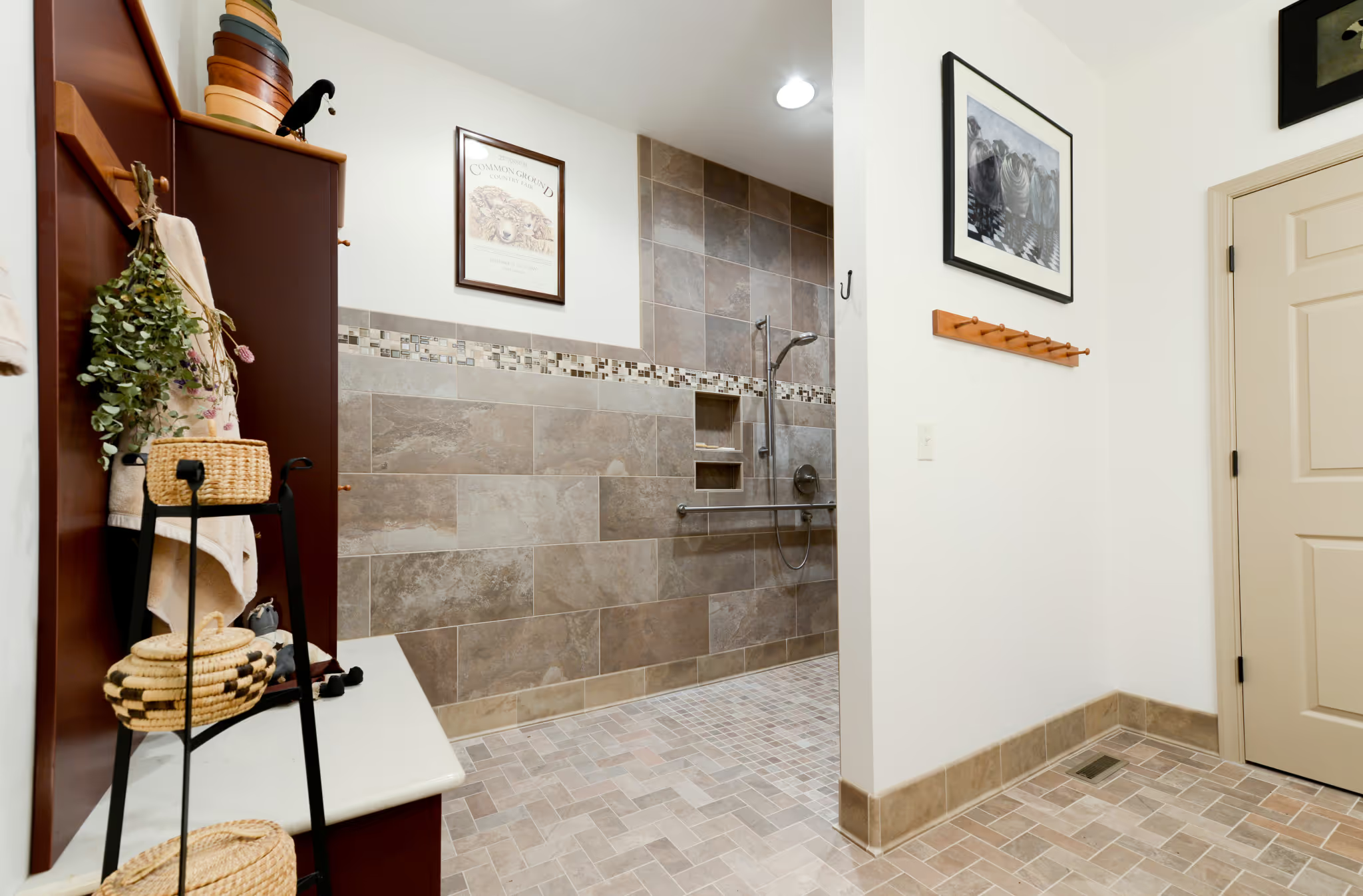
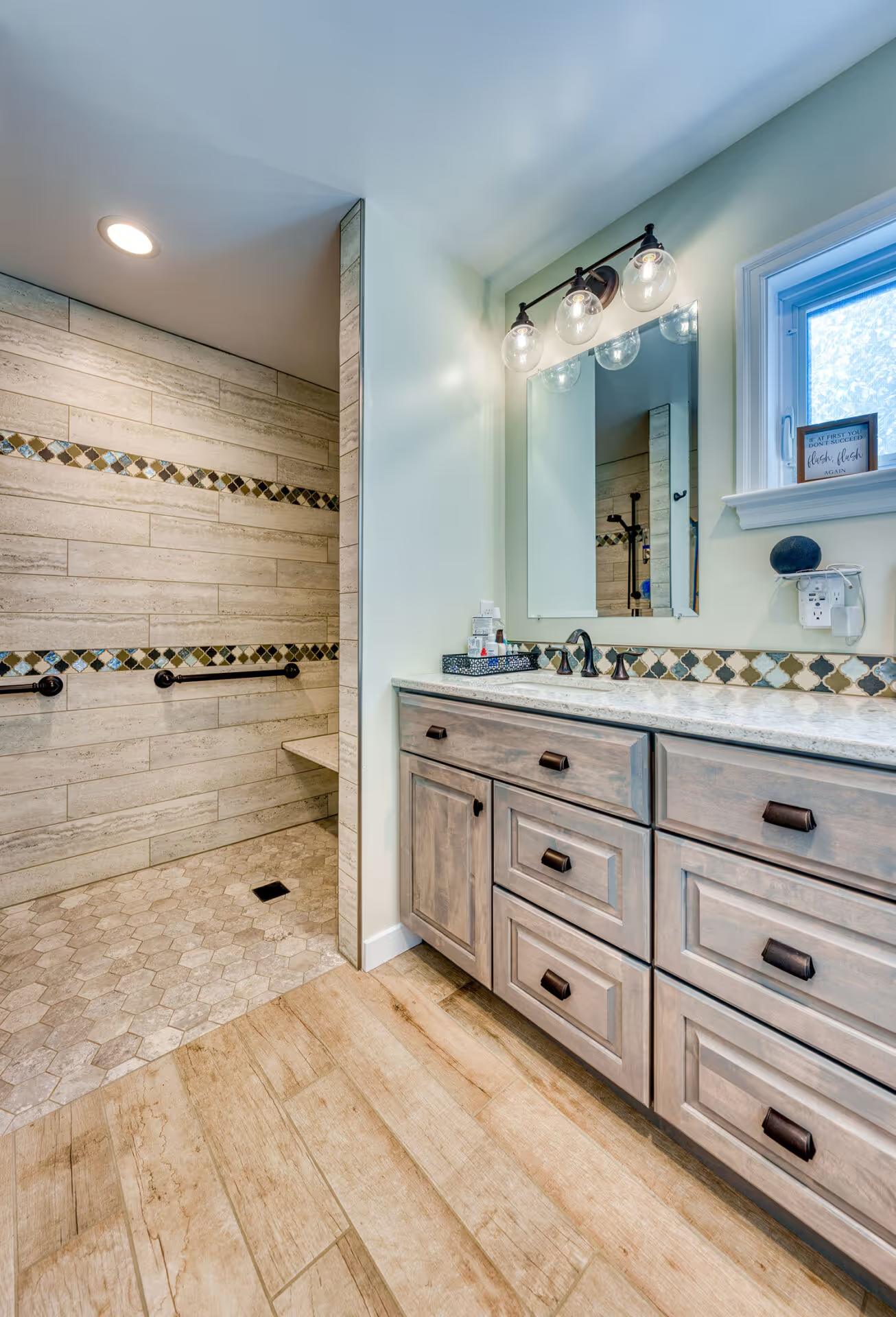
Aging-in-place features, when designed by the right team, are virtually indistinguishable from high-end finishes. A curbless shower can be one of the most elegant design choices in a luxury bathroom. Grab bars now come in a full range of finishes, from brushed nickel to matte black, that complement any style. Wider doorways and open floor plans are simply good design.
The goal is a home that is beautiful and functional, one that meets your needs today without compromising the aesthetic you have spent years creating.
Aging-in-place remodeling is not just for people who are already experiencing mobility challenges. In fact, the best time to plan for it is well before you need it.
You may want to start the conversation if you are a homeowner in your 50s or 60s who plans to stay in your home for the next decade or more. It is also worth considering if you or a spouse is managing a health condition, recovering from surgery, or noticing that everyday tasks feel a bit harder than they used to. Many of our clients are adult children who are helping a parent think through how to safely stay in their home independently. And for homeowners who simply want to protect their investment, aging-in-place features can add meaningful value and broad appeal to a property.
Whatever your situation, the common thread is this: planning ahead gives you options. Waiting until there is a crisis takes them away.
Not every remodeler is equipped to do this work well. Aging-in-place design requires a specific combination of knowledge across construction, human factors, and accessibility standards. That is why the National Association of Home Builders developed the Certified Aging-in-Place Specialist designation, known as CAPS.
A CAPS-certified contractor has completed specialized training in aging and accessibility, understands the relevant guidelines and standards, and knows how to balance safety with design in a way that does not compromise either. It is a meaningful credential, and one worth asking about before you hire anyone for this type of work.
Excel Remodeling's team includes Certified Aging-in-Place Specialists who have been helping Central PA homeowners plan and build for the long term for over 50 years. We understand that this kind of project is personal. It is about your home, your independence, and your future.
Aging-in-place remodeling begins with a conversation, not a commitment. Our team will take the time to understand your home, your goals, and your timeline before we ever talk about a project scope.
If you or a loved one is starting to think about what it would take to stay in your home comfortably for the long haul, we would love to help you think it through. Reach out to schedule your initial consultation with the Excel team, and let's start planning a home that works for every chapter of your life.
Most homes can be adapted for aging-in-place living, though some require more work than others. Single-story homes or those with a first-floor bedroom and bath typically offer the most straightforward path. Older homes with narrow doorways or tightly configured bathrooms may need more creative solutions. The best way to find out is to have a conversation with a qualified contractor who can walk through your home and assess your specific situation. That is exactly what our initial consultation is designed to do, and there is no obligation involved.
CAPS stands for Certified Aging-in-Place Specialist, a designation offered through the National Association of Home Builders. It represents specialized training in the unique intersection of construction, design, and human factors related to aging and accessibility. A CAPS-certified contractor understands not just how to build, but how people move through and interact with their spaces over time. When you are making changes meant to support your independence for decades to come, that expertise is not a bonus. It is essential.
Absolutely, you can phase the work over time. Many homeowners start with the highest-priority areas, typically the bathroom, and then add modifications to other parts of the home as their needs or budget allows. Our team can help you think through which changes will have the greatest immediate impact and how to plan future phases so that everything works together cohesively in the end.
The cost varies significantly depending on the scope of the project. A bathroom modification with grab bars, a comfort height toilet, and a curbless shower conversion will look very different in price from a full first-floor addition with a bedroom and accessible bath. During your initial consultation, our team will help you understand what modifications make the most sense for your home and your goals, and provide transparent pricing so you can plan accordingly. What we can say is that investing now almost always costs less than the alternatives later.
This is one of the most common concerns we hear, and we understand why. But the short answer is no. Aging-in-place design has come a long way, and when done well, these features are simply good design. Curbless showers are a hallmark of high-end bathroom remodels. Grab bars are available in beautiful finishes that match your fixtures. Open layouts and wider doorways are characteristics of well-designed, modern homes. Our goal is always a space that feels like yours, not a space that feels like a clinic.
Not at all. While the term often brings older adults to mind, aging-in-place remodeling is really about planning ahead, and that is something any homeowner can benefit from. Many of our clients begin this process in their 50s, well before they experience any mobility challenges. Others pursue it after an injury or surgery, regardless of age. The features involved, things like curbless showers, better lighting, and accessible layouts, tend to make a home more comfortable and functional for everyone who lives in it.